Jeju Island Travel Guide 2026: Everything You Need to Know
Plan the perfect trip to Jeju Island with this complete 2026 guide — top attractions, best beaches, Hallasan hiking, haenyeo culture, where to stay & eat.
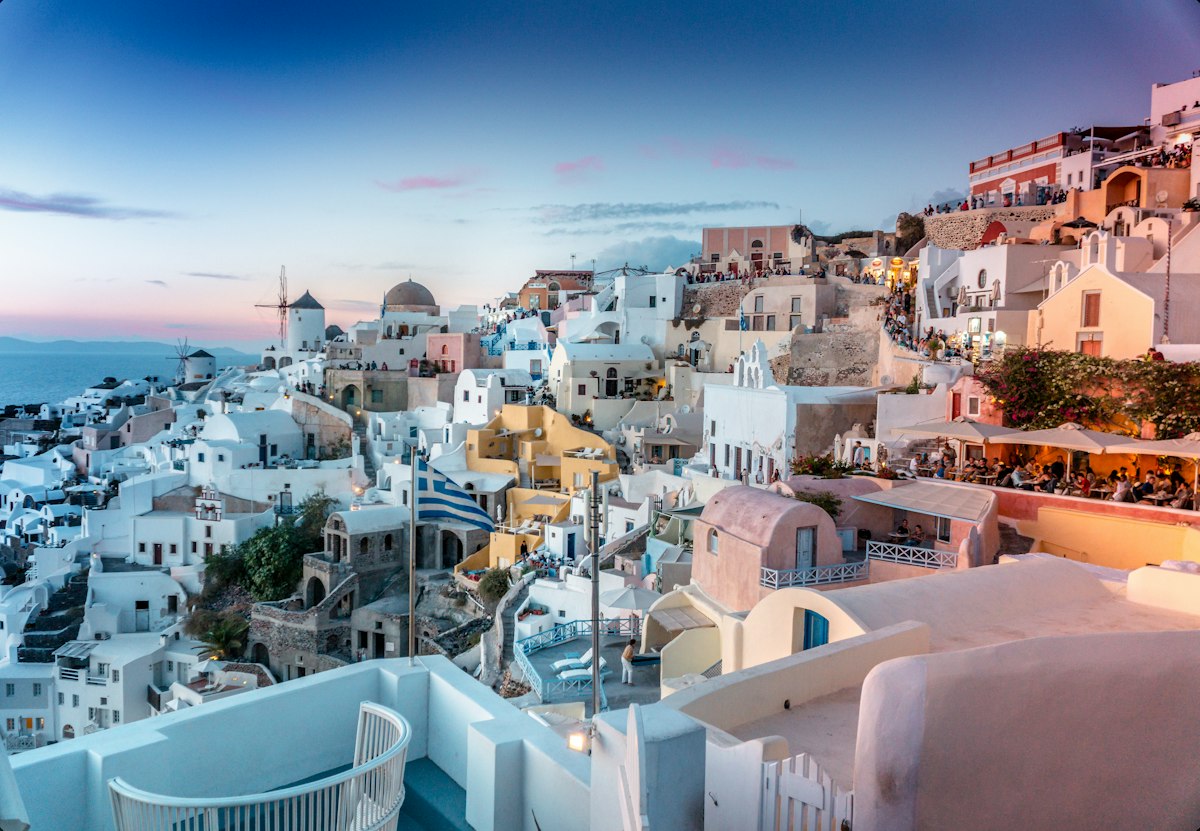
Jeju Island Travel Guide 2026: Everything You Need to Know
Jeju Island is South Korea's most beloved travel destination — a volcanic paradise packed with stunning beaches, UNESCO-listed natural wonders, and a culture unlike anywhere else on the Korean peninsula. Whether you're planning a romantic escape, a family adventure, or a solo hike, this complete Jeju travel guide covers everything you need for 2026.
Why Visit Jeju Island?
Often called the "Hawaii of Korea," Jeju (제주도) sits off the southern tip of the peninsula and feels completely different from the fast pace of Seoul. Black lava rock coastlines, lush crater trails, crystal-clear waters, and a laid-back pace make it Korea's ultimate nature escape.
- UNESCO Triple Crown: The only place in the world with three UNESCO designations — Natural Heritage, Biosphere Reserve, and Geopark
- Year-round destination: Cherry blossoms in spring, beaches in summer, golden foliage in autumn, snow on Hallasan in winter
- Easy to reach: 1 hour by plane from Seoul
- Visa-free for many nationalities under Jeju's separate visa exemption policy
How to Get to Jeju Island
By Air (Recommended)
Flying is by far the easiest option. Jeju International Airport (CJU) is Korea's busiest domestic airport with flights every 20–30 minutes from Seoul.
- From Seoul Gimpo or Incheon: ~1 hour flight
- Airlines: Korean Air, Asiana, Jeju Air, T'way Air, Jin Air
- Booking tip: Reserve 2–4 weeks ahead for the best fares — prices spike during school holidays and Chuseok
By Ferry
- From Mokpo: 4.5 hours (speedboat) or 9 hours (regular ferry)
- From Busan: 11–12 hours overnight ferry
- Great option if you want to bring a car or enjoy the sea crossing
When to Visit Jeju
| Season | Months | Conditions |
|---|---|---|
| Spring | Mar–May | Cherry blossoms, canola flowers, 10–18°C |
| Summer | Jun–Aug | Beach season, typhoon risk, 25–33°C |
| Autumn | Sep–Nov | Golden foliage, clear skies, 15–25°C — best overall |
| Winter | Dec–Feb | Snow on Hallasan, quieter crowds, 2–10°C |
Best time to visit: Late September to early November — perfect hiking weather, fewer tourists, and stunning foliage.
Top Things to Do in Jeju Island
1. Hike Hallasan National Park
Hallasan (1,950m) is South Korea's tallest mountain and sits at Jeju's center. The hike to the crater lake is one of Korea's most iconic outdoor experiences.
- Seongpanak Trail: 9.6km, 4–5 hours up — most popular full-summit route
- Gwaneum-sa Trail: 8.7km, steeper and more dramatic
- Eorimok Trail: Shorter option to a mid-mountain viewpoint — good for families
- Key tip: Trails close 2–3 hours before sunset. Start early!
Jeju Hallasan Guided Hiking Tour
From From $65/person
Expert-led full-day hiking tour to Hallasan summit with English-speaking guides and lunch included.
Book Tour →2. Seongsan Ilchulbong (Sunrise Peak)
This dramatic tuff cone rising from the sea is Jeju's most photographed landmark — 99 rocky peaks forming a natural crown around a massive crater. A UNESCO World Heritage Site.
- Sunrise viewing: Gates open at 7am — arrive 30 minutes early
- Haenyeo diving shows: Watch Jeju's famous female free divers at the base daily (1:30pm, 2:30pm, 3:30pm)
- Entrance fee: ₩5,000 adults
3. Hyeopjae Beach
The best beach on Jeju — emerald-green water, fine white sand, and a pine forest backdrop. Far cleaner and less crowded than beaches near Jeju City.
- Swimming season: Late June through September
- Nearby: Bichigul Lava Tube and Hallim Park are a 5-minute drive away
- Calm, shallow water — great for families with young children
4. Manjanggul Lava Tube
One of the world's longest and best-preserved lava tubes — over 13km total with 1km open to visitors. The 7.6m lava column inside is the world's largest.
- Temperature: A constant 11°C inside — bring a light jacket even in summer
- Entrance fee: ₩4,000 adults
- Wear comfortable shoes; the ground is uneven
5. Haenyeo Culture
Jeju's haenyeo (해녀) — women who free dive for seafood without oxygen tanks — are a UNESCO Intangible Cultural Heritage. Many divers are in their 60s, 70s, and 80s and still work daily.
- Haenyeo Museum: Gujwa-eup, free entry — fascinating exhibit on their history
- Try the seafood: Fresh abalone (전복), sea urchin, and conch at coastal restaurants
6. Jeju's Unique Food Scene
Jeju has its own food culture distinct from the mainland:
- Heuk dwaeji (black pork): Jeju's famous black-skinned pork — richer and more flavorful than regular Korean pork belly. Try it on Heuk Dwaeji Street in Jeju City
- Jeonbokjuk: Abalone porridge — silky and deeply satisfying
- Hallabong: Jeju's signature mandarin orange — sweeter than regular tangerines (November–March)
- Okdom-gui: Grilled red tilefish, a Jeju specialty
Jeju Black Pork & Seafood Food Tour
From From $55/person
Evening food tour through Jeju City's best local spots — black pork, abalone, and local makgeolli included.
Book Food Tour →Where to Stay in Jeju
Jeju City (North): Best for nightlife, shopping, and airport convenience. Widest range of accommodation.
Seogwipo (South): More peaceful, closest to Seongsan Ilchulbong. Best for couples and nature lovers.
Hallim (West): Quietest area, nearest to Hyeopjae Beach and Manjanggul.
- Luxury: Lotte Hotel Jeju, The Shilla Jeju (Seogwipo)
- Mid-range: Ramada by Wyndham Jeju, Landing Hotel (Seogwipo)
- Budget: Local guesthouses (게스트하우스) from ₩30,000/night
Getting Around Jeju
Renting a car is the best way to see Jeju — public transportation is limited and attractions are spread across the island.
- Cost: ₩40,000–80,000/day for a standard car
- International license: Required (IDP + home country license)
- Book in advance during peak seasons — cars sell out fast
Jeju Olle Trail: A 437km coastal walking route divided into 26 sections — the most rewarding slow-travel way to experience the island.
Jeju Travel Budget
| Category | Budget | Mid-Range | Comfort |
|---|---|---|---|
| Accommodation | ₩30K–50K/night | ₩100K–200K | ₩300K+ |
| Food | ₩20K–30K/day | ₩50K–80K | ₩120K+ |
| Activities | ₩10K–20K/day | ₩50K–80K | ₩150K+ |
| Transport | ₩10K/day (bus) | ₩60K (car share) | ₩80K (rental) |
Tips for Visiting Jeju
- Book early: Spring cherry blossom season (late March–early April) and summer sell out weeks ahead
- Jeju Pass card: Bundles many attractions — check if it suits your itinerary
- Weather changes fast: Pack a rain jacket even in summer
- Hallasan prep: No vendors on upper trails — bring snacks and water
Conclusion
Jeju Island belongs on every Korea itinerary. From Hallasan's volcanic crater and haenyeo culture to black pork feasts and some of the best beaches in Northeast Asia, Jeju delivers an extraordinary variety of experiences in a compact, easy-to-navigate island. Two days is a taster — a week lets the island fully reveal itself.
Pair Jeju with time in the capital and see our Seoul travel guide for full coverage. For the full Korea experience, our 7-day Seoul itinerary is a great starting point to plan around.
Frequently Asked Questions
How many days do you need in Jeju Island?
Do I need a visa for Jeju Island?
What is the best time of year to visit Jeju Island?
Is Jeju Island worth visiting from Seoul?
What food should I try in Jeju Island?
Was this guide helpful?
No ratings yet — be the first!
Related Guides
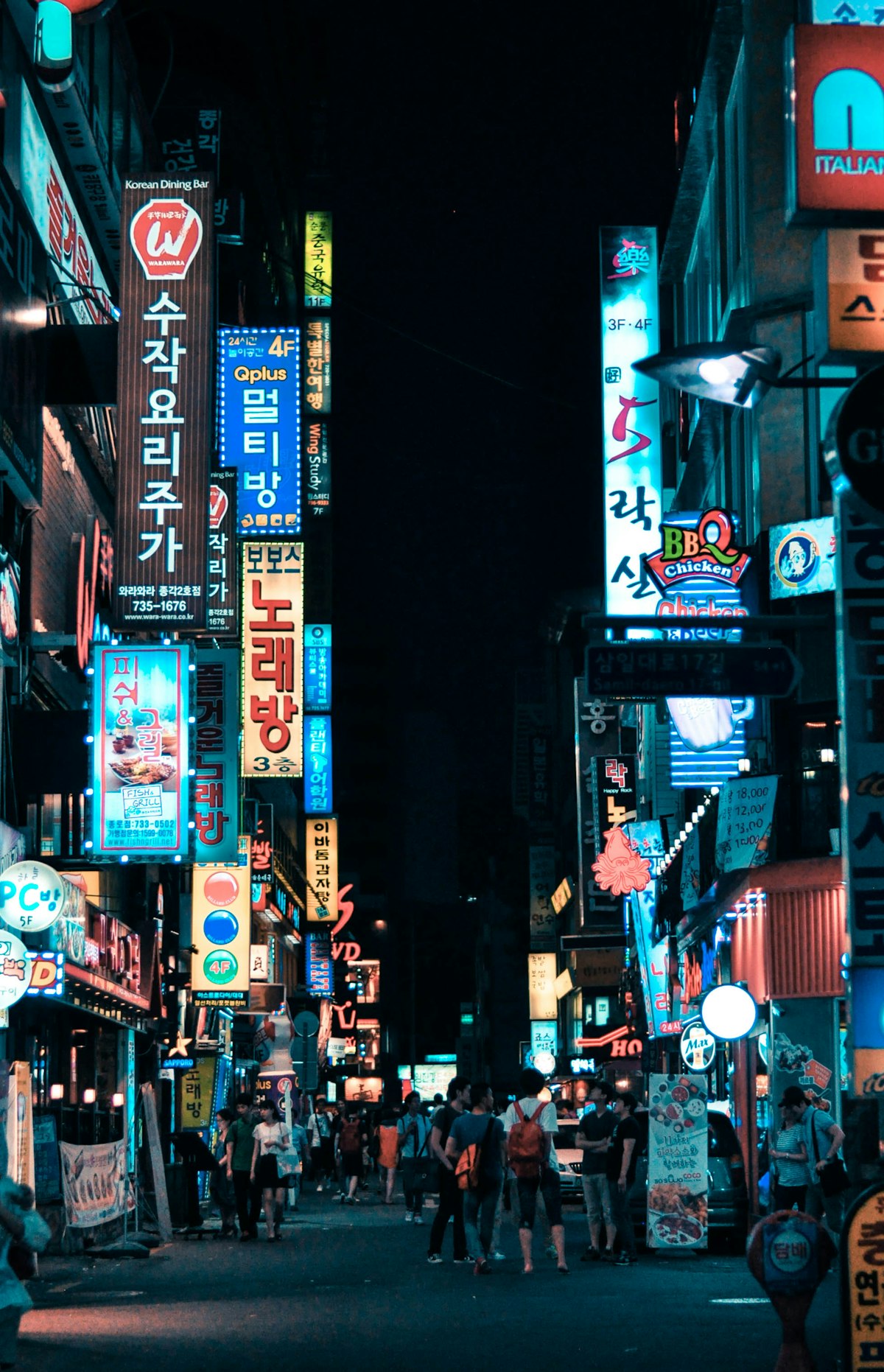
Seoul Travel Guide 2026: Everything You Need to Know
The complete Seoul travel guide covering neighborhoods, transport, food, costs, and insider tips for first-time and returning visitors to South Korea's capital.
7-Day Seoul Itinerary for First-Time Visitors (2026 Guide)
The perfect 7-day Seoul itinerary for first-timers — palaces, street food, K-pop, Han River and day trips. Complete day-by-day plan with insider tips and maps.
What to Wear in Seoul: Season-by-Season Packing Guide (2026)
What to pack for Seoul? This seasonal packing guide covers spring, summer, autumn, and winter outfits so you look great and stay comfortable in Korea.
Korean Etiquette for Tourists: Do's and Don'ts in Korea
Learn Korean etiquette before you visit. This guide covers dining customs, bowing, tipping, shoe removal, and cultural do's and don'ts for tourists.