15 Seoul Travel Mistakes to Avoid (First-Timer Guide)
Avoid the most common Seoul travel mistakes. From transport blunders to cultural faux pas — what first-time visitors often get wrong and how to fix it.
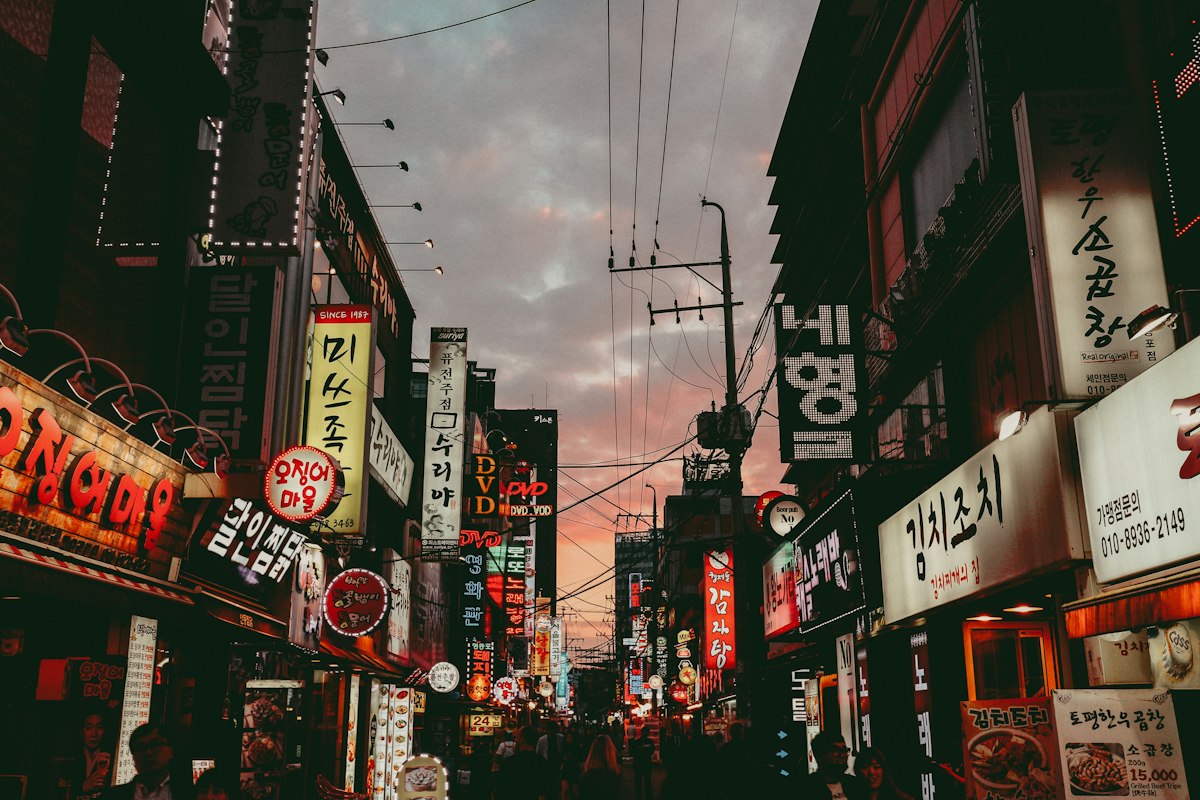
Seoul Travel Mistakes to Avoid: 15 Things First-Timers Get Wrong
Seoul is one of the most rewarding cities to visit, but like any destination, it has its quirks. First-time visitors consistently make the same avoidable mistakes — from planning errors before they leave to cultural missteps once they arrive. Here are the 15 most common Seoul travel mistakes and exactly how to avoid them.
1. Not Getting a T-Money Card at the Airport
The T-Money card is Seoul's reloadable transit card, and you need one immediately. Without it, you pay more per ride and queue at ticket machines every time. Buy one at the airport convenience store (GS25 or CU) for ₩4,000.
Fix: Get it at the airport before you enter the city. Load ₩30,000–₩50,000 for your first day.
2. Using Google Maps for Transit Navigation
Google Maps is famously inaccurate for Seoul public transit — it misses subway lines, gives wrong transfers, and often suggests overly complex routes.
Fix: Download Naver Maps or Kakao Maps before you land. Both apps have English interfaces and are accurate for Korean transit.
3. Staying Too Far from a Subway Station
Seoul is a big city and traffic can be brutal. Choosing accommodation based purely on price without checking subway proximity is a common mistake that wastes hours each day.
Fix: Always check that your hotel is within 5–7 minutes walk of a subway station. The subway will be your primary transport.
4. Exchanging Currency at the Airport
Airport currency exchange desks offer poor rates. Exchanging a significant amount at the airport means losing meaningful money compared to better alternatives.
Fix: Use local ATMs (7-Eleven, KB Bank ATMs widely accept foreign cards). Alternatively, use a Wise or Revolut card for near-zero conversion fees. Exchange only a small amount (₩30,000–₩50,000) at the airport for immediate needs.
5. Not Downloading a Korean Phrasebook App
English is spoken at major tourist attractions and many restaurants in tourist areas, but venture even slightly off the beaten path and communication can be difficult.
Fix: Download Papago (Naver's translation app) — it handles Korean exceptionally well, including camera translation for menus. Even learning "hello" (annyeonghaseyo) and "thank you" (gamsahamnida) goes a long way.
6. Ignoring Korean Dining Etiquette
Korean dining has customs that differ from Western norms. Pouring your own drink, using chopsticks incorrectly, or not waiting for elders to start eating first are considered rude.
Fix: Wait for elders to be seated and start eating first. Do not pour your own drink — pour for others and they will pour for you. Hold your bowl up when receiving food. Remove shoes when indicated.
See our Korean Etiquette Guide for the full breakdown.
7. Booking a Day Trip Without Advance Reservation
The DMZ and popular cooking classes book up weeks in advance, especially in peak season (spring and autumn). Many first-timers arrive hoping to book day-of, only to find everything sold out.
Fix: Book DMZ tours, popular cooking classes, and day trips at least 2–3 weeks in advance using Klook or Viator.\n\n## 8. Only Eating in Myeongdong
Myeongdong is convenient but the food there is priced for tourists. Eating exclusively in tourist zones means missing Seoul's best (and cheaper) food.
Fix: Venture into Hongdae, Mapo, Mapo-gu neighborhood restaurants, or local alley restaurants (골목식당) for authentic, affordable meals. Ask locals or check Naver Blog reviews.
9. Not Understanding the Bowing Culture
Koreans greet each other with a bow — not a handshake as the default. Failing to bow back (or doing a perfunctory nod) can come across as rude.
Fix: A slight bow when greeting shopkeepers, restaurant staff, or anyone who helps you is always appreciated. You do not need a deep bow — a small, genuine 15-degree bow is perfect for tourists.
10. Packing Too Heavily for Seoul Shopping
Seoul is one of the world's best shopping cities. Many travelers pack full suitcases and then struggle to fit their purchases. Others buy checked bags at the airport only to face airline restrictions.
Fix: Pack light and plan to shop. Budget space in your luggage for haul items. Alternatively, use Korea Post to ship purchases home (affordable and reliable).
11. Assuming Tipping is Expected
Korea does not have a tipping culture. Leaving a tip at a restaurant can actually cause confusion or mild offense — staff may come after you thinking you forgot your money.
Fix: Do not tip in restaurants, taxis, or cafes in Korea. Exceptional service is acknowledged by saying "jal meogessseumnida" (I will eat well) before a meal and "massisseosseumnida" (it was delicious) afterwards.
12. Skipping the Convenience Store Experience
Many first-timers view convenience stores as a backup option. This is a mistake. Korean convenience stores (GS25, CU, 7-Eleven) are genuinely excellent — hot food, fresh meals, soju, beer, and unique Korean snacks at rock-bottom prices.
Fix: Embrace the convenience store. Try the egg mayo triangle kimbap, instant ramen eaten at the store, and Korean convenience store fried chicken.
13. Visiting Palaces on Closed Days
Gyeongbokgung and other major palaces are closed on Tuesdays. This is not a mistake you want to discover at the entrance.
Fix: Always check palace opening times on the official website before visiting. Most are open daily except Tuesdays.
14. Not Using Naver Blog for Restaurant Research
Google restaurant reviews are sparse and often outdated for Korea. The best Korean restaurant information is on Naver Blog (Korean social media), not TripAdvisor.
Fix: Use Naver Maps to find highly-rated restaurants near your location. The star ratings and Naver Blog reviews are far more accurate for Korea than Western review platforms.
15. Leaving Without Trying Jjimjilbang
A Korean 찜질방 (jjimjilbang) is a public bathhouse and sleeping facility. It is one of Korea's most unique cultural experiences — hot baths, saunas, sleeping areas — and most visitors leave without experiencing it.
Fix: Visit Dragon Hill Spa in Yongsan for your jjimjilbang experience. Entry is around ₩12,000–₩15,000. Towels and traditional sleeping clothes provided.
Conclusion
Avoiding these mistakes will make your Seoul trip dramatically smoother, cheaper, and more rewarding. Most of them require just a little advance preparation: download the right apps, get your T-Money card, and go in with some basic cultural awareness.
For a complete Seoul orientation, check out the Seoul Travel Guide 2026. For transport specifics, see the Seoul Transportation Guide.
16. Ignoring the Cult Approach Warning
This is one of the most commonly reported issues on r/koreatravel and similar communities, and most travel guides completely omit it.
In popular tourist areas (Hongdae, Myeongdong, Insadong, near Gyeongbokgung), you may be approached by a friendly person — often speaking excellent English — asking for "language exchange" or "cultural conversation." Within minutes, they suggest visiting a nearby cafe, gallery, or cultural center together.
This is a known tactic used by certain cult recruitment groups operating in Seoul. The friendliness is genuine but the intent is recruitment.
Fix: Politely decline and walk away. You are not being rude — you are being sensible. The r/koreatravel subreddit wiki specifically flags this under safety tips. It does not reflect on Korean people broadly; the overwhelming majority are genuinely kind.
17. Not Knowing How to Call a Server
In Western restaurants, making eye contact with a server or raising your hand is standard. In Korean restaurants, this can lead to awkward confusion.
Fix: Say "저기요!" (jeo-gi-yo) loudly and confidently — this means "excuse me" and immediately signals a server. Most restaurants also have a table call button (벨). One press is all you need — pressing it repeatedly is considered rude.
18. Waiting for the Bill at Your Table
Korean restaurant staff will not bring you the bill unprompted. Waiting at your table for a check that never comes is a very common tourist mistake.
Fix: When you are ready to leave, simply walk to the front desk or cashier area and pay there. This is standard practice in almost all Korean restaurants, from casual to mid-range.
19. Not Tapping Off the Bus
Getting on the bus and tapping your T-Money card is only half the process. Many tourists skip the exit tap entirely.
Fix: Always tap your T-Money card again when exiting the bus. The system calculates your exact distance and charges accordingly — and activates free or discounted transfers within 30 minutes. Without the exit tap, you pay the maximum flat fare every time and lose all transfer benefits.
20. Using a Lost Item Website You Don't Know About
Korea has a centralized lost and found system. If you lose something — on the subway, in a taxi, or in a public space — most tourists have no idea where to look beyond the immediate lost and found desk.
Fix: Visit Lost112 — Korea's national lost and found database. Items recovered by police and transit authorities across the country are registered here. The site has an English interface and is genuinely effective.
Frequently Asked Questions
What should I not do in Seoul?
Is it safe to make mistakes in South Korea as a tourist?
What apps do I need for Seoul?
Do I need to speak Korean in Seoul?
When are Seoul palaces closed?
Was this guide helpful?
No ratings yet — be the first!
Related Guides
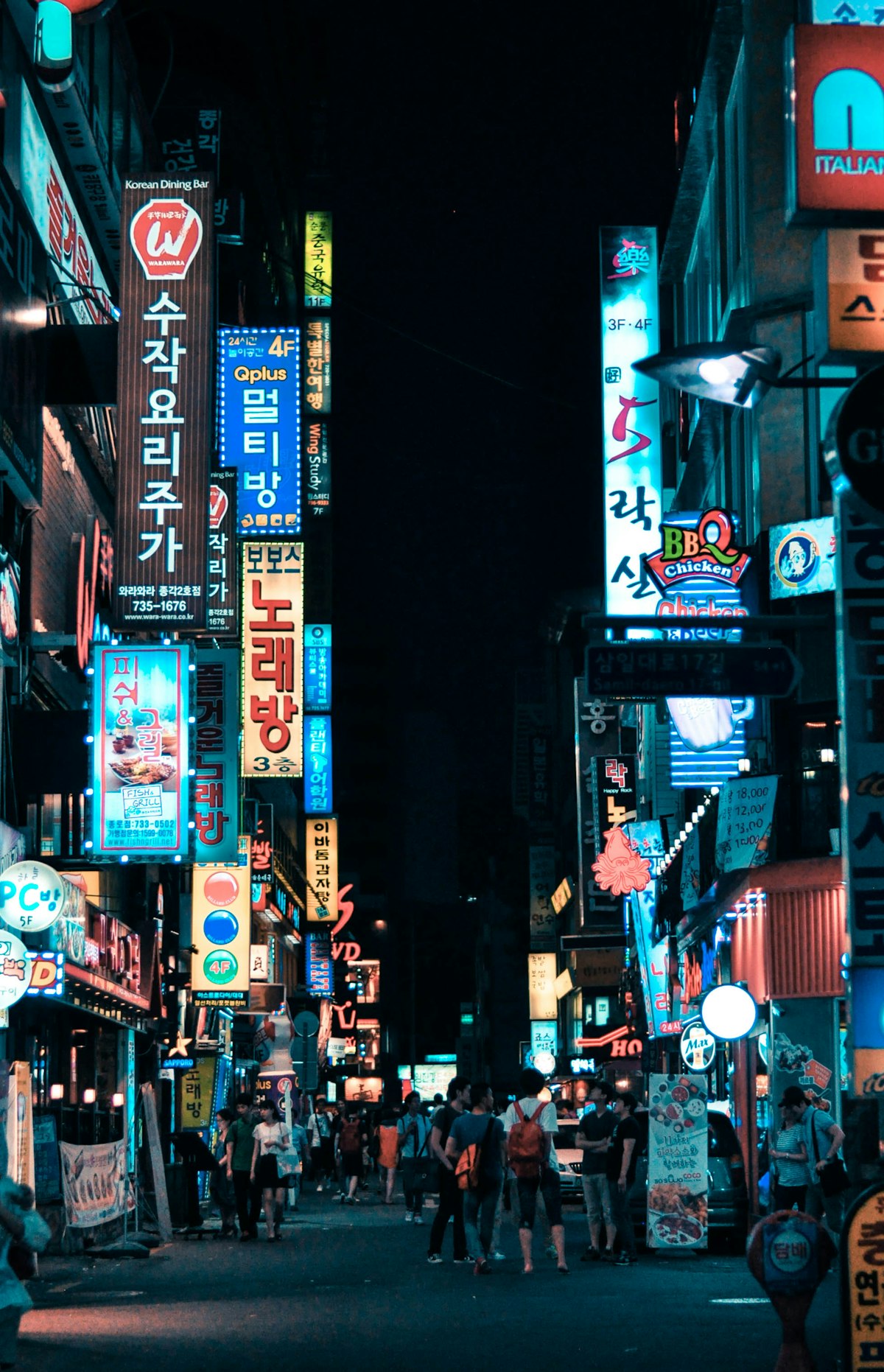
Seoul Travel Guide 2026: Everything You Need to Know
The complete Seoul travel guide covering neighborhoods, transport, food, costs, and insider tips for first-time and returning visitors to South Korea's capital.
Seoul Transportation Guide: Subway, Bus, Taxi & T-Money Card
Navigate Seoul like a local with this complete 2026 guide to the subway, bus, taxi, T-Money card setup, and getting from Incheon Airport into the city.
Korean Etiquette for Tourists: Do's and Don'ts in Korea
Learn Korean etiquette before you visit. This guide covers dining customs, bowing, tipping, shoe removal, and cultural do's and don'ts for tourists.